Source Forging Truck Belt Tensioner Pulley for Engines, Transmissions, Generators
Find a forging truck belt tensioner pulley from 30 verified listings. Compare OEM options, ISO9001-certified manufacturers, and pricing for Honda and Mitsubishi applications. Evaluate material specs like aluminum alloy and iron, along with customization and warranty details for reliable sourcing.
Key considerations
Products List


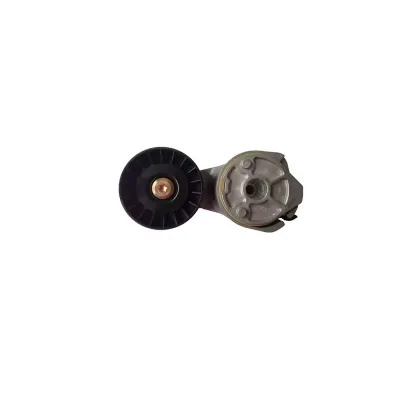


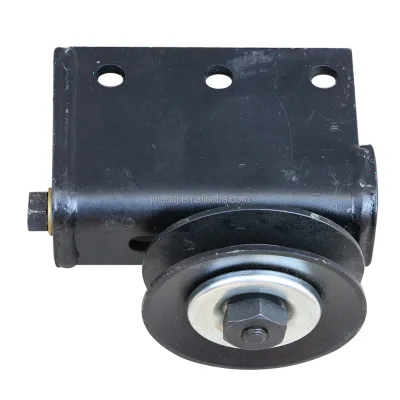

Comprehensive Sourcing Guide
Forging Truck Belt Tensioner Pulley Sourcing Guide
Sourcing high-performance tensioner pulleys for heavy-duty truck engines requires a disciplined approach to material integrity and manufacturing precision. The core keyword highlights the critical distinction between cast and forged components, where forging ensures superior grain structure and resistance to fatigue under high torque loads. Buyers must prioritize suppliers who explicitly state their manufacturing process, as this directly impacts the component's lifespan and reliability in demanding commercial vehicle applications.
This guide focuses on verifying the technical and commercial attributes of these specialized automotive parts. By examining observed listing signals, technical specifications, and compliance documentation, procurement teams can mitigate the risk of sourcing substandard components. The following sections provide a structured framework for evaluating suppliers, ensuring that every purchased part meets the rigorous demands of truck engine maintenance and performance optimization.
Product Scope and Observed Listing Signals
The observed market data indicates a diverse range of offerings, with prices spanning from $0.99 to $1500 USD and minimum order quantities (MOQs) ranging from 1 to 1000 pieces. This wide variance suggests that buyers will encounter both generic aftermarket parts and specialized OEM-equivalent components. It is essential to correlate price points with specific material claims, such as aluminum alloy or iron, to identify potential discrepancies between cost and quality. High-level quality claims should be validated against the stated manufacturing techniques, particularly forging, which typically commands a higher price due to increased material density and strength.
Listing signals also reveal significant customization capabilities, with many suppliers accepting OEM requests and offering flexible packaging options like single boxes, carton boxes, or wooden crates. Some listings mention specific models such as MXAP095, 16603-0V020, and LY8009, indicating compatibility with various vehicle makes, including Honda and Mitsubishi. Buyers should carefully cross-reference these model numbers with their specific truck engine requirements to ensure proper fitment. Additionally, the availability of free samples and large stock levels provides an opportunity to physically inspect parts before committing to bulk orders, reducing the risk of receiving mismatched or defective inventory.
Technical Specifications to Verify
Technical verification begins with confirming the material composition and manufacturing process. Forged components, as indicated by specific listings, offer enhanced durability compared to cast alternatives, making them ideal for high-stress truck engine applications. Buyers must verify that the supplier explicitly states "Forging" as the technic, rather than relying on generic descriptions. Material specifications such as iron or aluminum alloy should be matched to the engine's thermal and mechanical requirements. Additionally, precision grades like P6 and tolerance types such as tensioner bearing specifications are critical for ensuring smooth operation and minimizing vibration in the belt drive system.
Dimensional accuracy and surface treatment are equally important for long-term performance. Listings mention standard dimensions like 101010cm or 2007070, but buyers should request detailed engineering drawings to confirm exact fitment. Surface treatments such as HDG (Hot-Dip Galvanizing) or polishing provide essential corrosion resistance, particularly for trucks operating in harsh environmental conditions. The presence of ABS features in some listings may indicate integrated safety mechanisms, though this requires clarification. Buyers should also inspect cage materials, such as steel, to ensure they can withstand the rotational forces and heat generated during continuous operation.
Compliance and Safety Documentation
Compliance with international standards is non-negotiable for automotive components used in commercial vehicles. Buyers must request valid certification documents, such as ISO9001 and CE, to ensure that the supplier adheres to recognized quality management and safety protocols. These certifications indicate that the manufacturing facility has undergone rigorous audits and maintains consistent production standards. It is crucial to verify that the certifications are current and applicable to the specific product category, as some suppliers may hold general certifications that do not cover automotive-grade tensioner pulleys.
In addition to certifications, buyers should inquire about specific testing procedures and quality control measures. Listings mention inspections using calipers and adherence to standards like TSISO, which suggests a focus on dimensional accuracy and material integrity. However, buyers should request detailed test reports or quality assurance certificates that confirm the parts meet industry-specific requirements for truck engine components. This documentation provides evidence that the supplier has implemented robust quality control processes, reducing the risk of premature failure and ensuring that the parts are safe for use in critical engine applications.
Cost Drivers and Commercial Terms
Understanding the factors that influence pricing is essential for effective budget management. The cost of forged truck belt tensioner pulleys is driven by material quality, manufacturing complexity, and order volume. Forging processes are more expensive than casting due to higher energy consumption and material waste, which is reflected in the price range observed in the market. Buyers should analyze the cost per unit in relation to the specified MOQ, as larger orders often result in significant discounts. Additionally, customization requests, such as specific packaging or branding, may incur additional fees that should be factored into the total procurement cost.
Commercial terms, including lead times and warranty policies, also impact the overall value proposition. Listings indicate lead times of up to 45 days, which buyers must account for in their supply chain planning to avoid production delays. A 12-month warranty is commonly offered, providing a safety net against manufacturing defects. Buyers should negotiate clear terms regarding returns, replacements, and after-sales support to ensure that any issues are resolved promptly. Understanding these commercial dynamics allows procurement teams to balance cost efficiency with risk mitigation, ensuring that they receive high-quality parts at a competitive price.
Supplier Qualification and Quality Control
Supplier qualification involves a thorough assessment of the manufacturer's capabilities and track record. Buyers should verify the supplier's origin, with many listings indicating production in China, particularly in regions like Xuzhou, Jiangsu. This geographic information can help assess the supplier's proximity to raw material sources and logistics hubs. Additionally, buyers should request references or case studies from previous clients in the automotive industry to gauge the supplier's reliability and consistency. A supplier with a proven track record in producing high-quality forged components is more likely to meet the stringent requirements of truck engine applications.
Quality control processes must be transparent and rigorous. Buyers should inquire about the supplier's internal inspection procedures, including the use of precision instruments like calipers and the implementation of statistical process control. Listings mention large stock levels, which may indicate a focus on inventory management, but buyers should also verify that the supplier conducts regular quality audits on their production line. Requesting samples for physical inspection and performance testing is a critical step in validating the supplier's claims. By establishing a strong quality control framework, buyers can ensure that every delivered part meets the required specifications and performance standards.
Long-Term Procurement Checks
Long-term procurement success depends on continuous monitoring and relationship management. Buyers should establish regular communication channels with their suppliers to stay informed about any changes in product specifications, pricing, or lead times. This proactive approach allows for timely adjustments to procurement strategies and helps mitigate potential disruptions in the supply chain. Additionally, buyers should conduct periodic performance reviews of the delivered parts, tracking metrics such as failure rates and customer feedback to assess the supplier's ongoing quality.
Building a diversified supplier base is another key strategy for long-term resilience. Relying on a single supplier can expose the business to risks such as production delays or quality inconsistencies. By qualifying multiple suppliers who meet the same technical and compliance standards, buyers can ensure continuity of supply and maintain competitive pricing. Furthermore, buyers should stay updated on industry trends and technological advancements in forging and material science to identify opportunities for improving component performance and cost efficiency. This continuous improvement mindset ensures that the procurement function remains agile and responsive to changing market conditions.
FAQs
Can I get a free sample of the forging truck belt tensioner pulley?
Yes, free samples are available for this forging truck belt tensioner pulley. This allows buyers to verify quality before placing a bulk order. The product meets high-level quality standards and comes with a 12-month warranty for added assurance during the evaluation process.
What certifications do these forging truck belt tensioner pulleys hold?
These forging truck belt tensioner pulleys hold ISO9001 and CE certifications. Some variants also meet TSIS standards. These certifications ensure the products comply with international quality and safety requirements for automotive applications like Honda and Mitsubishi engines.
Which specifications are available for the forging truck belt tensioner pulley?
Available specifications include model numbers like MXAP095 and 16603-0V020 with P6 precision. The pulleys feature steel cages and are designed for car engines. They are available in black, zinc, or original colors to match specific vehicle requirements.
How is the forging truck belt tensioner pulley packaged for shipment?
Packaging options include single boxes, carton boxes, or wooden crates based on customer requests. Some items use standard packing while others utilize custom packaging. This flexibility ensures safe transport and meets specific logistical needs for different order sizes.
What is the lead time for ordering the forging truck belt tensioner pulley?
The lead time for this forging truck belt tensioner pulley is typically 45 days. This duration accounts for the forging and casting manufacturing processes used. Buyers should plan their inventory accordingly to ensure timely delivery for their automotive supply chain needs.
Can the forging truck belt tensioner pulley be customized for my needs?
Yes, customization is available for the forging truck belt tensioner pulley. OEM services are accepted to tailor the product to specific requirements. Buyers can request custom packing and specific material finishes like HDG or polishing to suit their application.
What is the minimum order quantity for the forging truck belt tensioner pulley?
The minimum order quantity varies, with some listings showing an MOQ of 1000 pieces. However, other options allow for lower quantities starting from 1 unit. This range provides flexibility for both small trial orders and large-scale industrial procurement.